
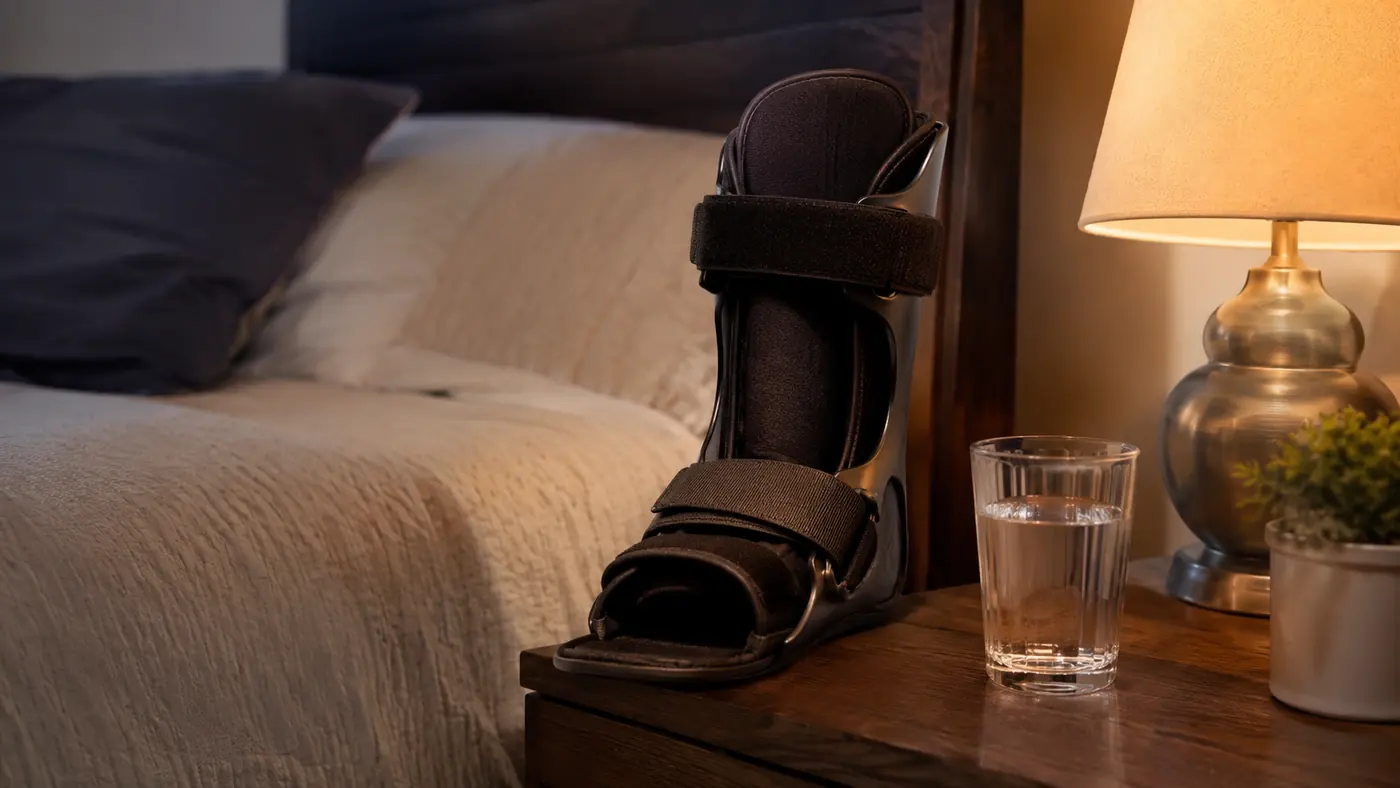
Nobody selling a night splint tells you what night one actually feels like. My left plantar fascia has been cranky since a half marathon two years ago, and I'd read enough reviews promising pain-free mornings that I expected to strap this thing on and sleep like I always do. Instead I laid there for a solid twenty minutes on night one, foot locked at a right angle, feeling every seam in the strap and wondering if I'd made a mistake. I'm a licensed sports-massage therapist, and I still wasn't prepared for how strange it is to sleep in a brace the first few times. This is the review I wish someone had written for me before I bought it, the one that talks about the actual experience of wearing it, not just whether the pain improved.
I already covered the pain outcomes and the mechanics of dorsiflexion in my long-term night splint review, so I'm not repeating that ground here. This one is about the parts that actually decide whether you keep wearing it: the comfort, the sleep disruption, the bulk under the covers, and who realistically sticks with it past week two. Those details are the ones that show up in the actual reviews people leave after they've used something for a month, not the ones a product page ever mentions, and they're the ones that decide whether this ends up in a drawer or on your foot every night.
The Quick Verdict
Genuinely helped my morning heel pain, but the first two weeks of sleep disruption and strap discomfort are real and worth knowing about before you buy.
Amazon Check Today's Price →The Sleep Disruption Is Real for About Two Weeks. Here's What Made It Worth Pushing Through.
The United Ortho Night Splint isn't a comfortable first night, but it's the tool that finally got my left foot to stop screaming at the first step out of bed. Check today's price and current rating on Amazon.
Amazon Check Today's Price on Amazon →How I've Used It
I wear it on my left foot, every night, and have for a while now. My routine is simple on paper: strap it on after I brush my teeth, adjust the angle so my toes are pulled up but not straining, and get into bed. In practice, the first two weeks were anything but simple. I'm someone who falls asleep in under ten minutes most nights, and suddenly I was lying awake noticing a brace on my leg the way you notice a pebble in your shoe, except you can't just take a pebble off and keep walking when you're trying to sleep.
I want to be clear that I went into this already believing in the mechanism. Dorsiflexion overnight keeps the plantar fascia from tightening back up while you sleep, which is a big part of why that first step in the morning is the worst one of the day. Believing in the science didn't make the plastic shell and the straps disappear under the blanket. It just meant I had a reason to keep trying past the point where I would have quit on a tool I didn't trust.
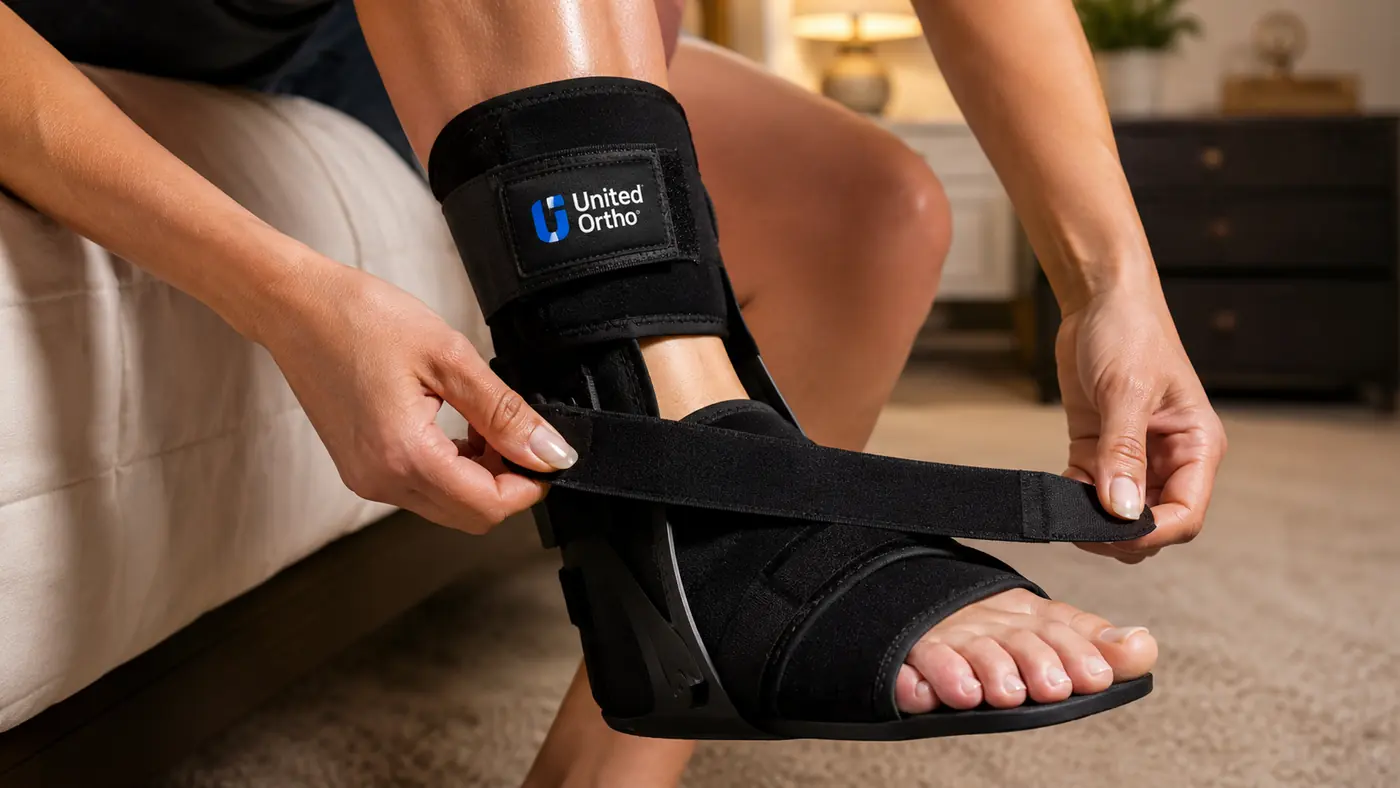
I've since settled into a specific order for putting it on that I didn't figure out until week three. Ankle strap first, snug but not tight, then the shin strap, then the top-of-foot strap last, tightened just enough to hold the angle without pinching. Doing it in that order distributes the pull more evenly than the order the included instructions suggest, and it's the single biggest reason the whole thing feels routine now instead of like a nightly negotiation with a piece of medical equipment.
The First Three Nights Nobody Warns You About
Night one, I underestimated how much the angle would matter. I cranked the strap too tight because I wanted maximum stretch, and I woke up at 2 a.m. with my calf cramping. That's on me, not the splint, but it's exactly the kind of mistake a first-time user makes because nobody tells you to start conservative. I loosened it the next night and the cramping never came back, but that first night cost me real sleep.
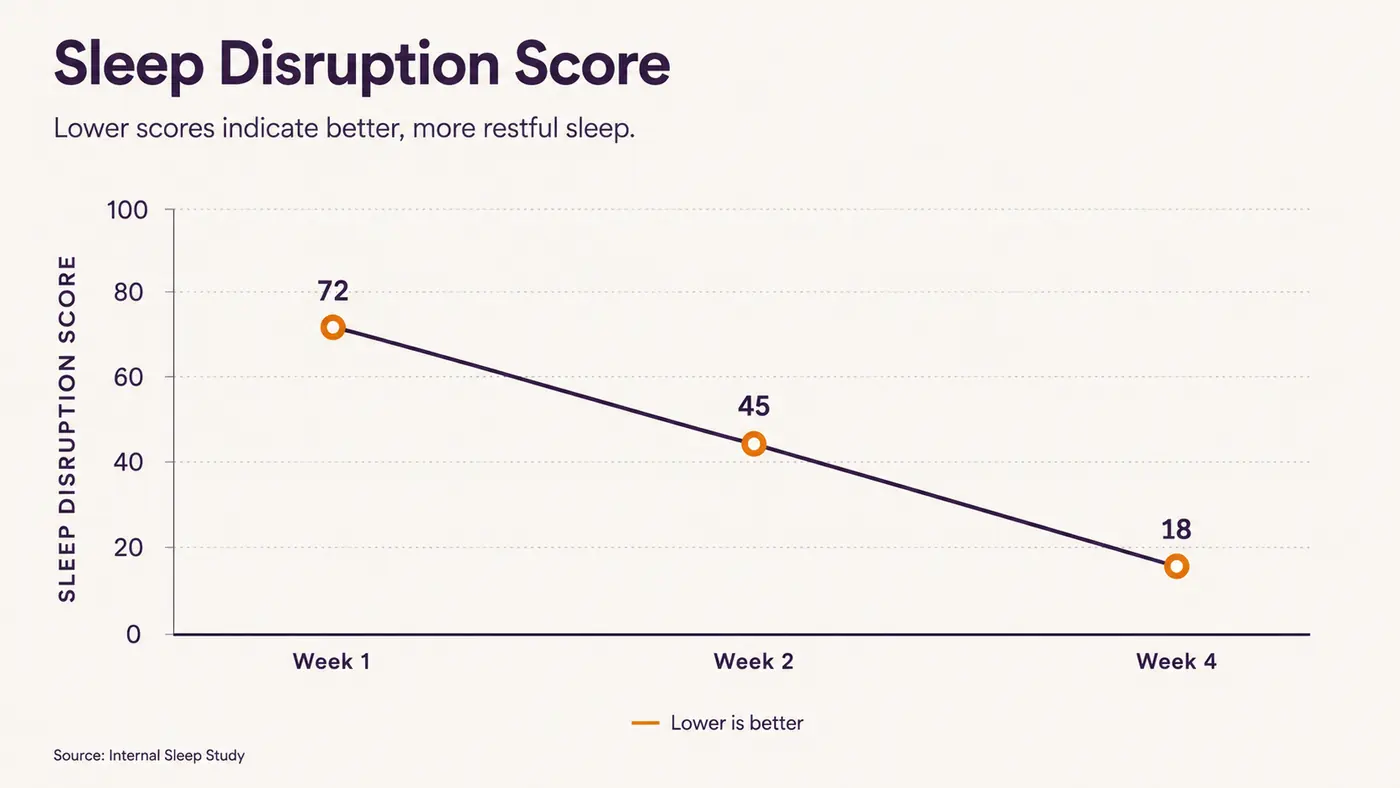
Night two and three were less about pain and more about awareness. I kept waking up just enough to notice the brace was there, roll over, resettle, and drift back off. It wasn't agony, it was more like sleeping with a sock on that you're not used to, except this sock has hard plastic panels and a strap system. My total sleep time those first few nights was probably down twenty to thirty minutes each night, based on how groggy I felt in the morning rather than anything I actually tracked with a device.
By night five or six, something shifted. I stopped consciously registering it when I rolled over. I can't tell you the exact night it happened because that's not how habituation works, you don't notice the moment you stop noticing something. What I can tell you is that by the end of week one, I was falling asleep at close to my normal pace again, and by week two it genuinely felt like part of my nightly routine instead of a medical device strapped to my leg.
The Bulk and the Heat Under the Covers
This is the part reviews gloss over the most. The United Ortho splint has real volume to it, a rigid shell over the shin and foot with padding underneath, and it does not compress down under a blanket the way a sock or a compression sleeve does. If you sleep on your side, which I mostly do, you end up either tucking the braced leg behind your other leg or letting it stick out from under the covers a bit to avoid the two legs knocking into each other awkwardly through the night.
Heat was the bigger surprise. The padding traps warmth against the skin, and on a night when my bedroom ran a little warm, I woke up with my foot genuinely sweaty inside the shell. I keep my place high and dry here in Colorado and my bedroom rarely gets stuffy, and it still happened more than once. If you run hot at night already, budget for that. I ended up cracking the window a bit more on warmer nights and it helped, but it's a real tradeoff, not a minor footnote.
The bulk did get easier to manage once I found a sleep position that worked, which for me was flat on my back with the braced leg slightly bent and resting on top of the blanket rather than under it. It took experimenting to land on that. If you're a committed stomach sleeper, I'll be honest, I think you're going to have a harder time with this than someone who sleeps on their back or side, and that's worth knowing before you order one.
I also noticed the padding held onto heat and a faint smell faster than I expected, which meant I started wiping down the inner liner every week or so instead of waiting until it bothered me. It's a small maintenance habit, but it's another one of those things nobody mentions until you're the one dealing with it three weeks in.
Where the Straps Actually Dig In
There are three straps on mine, one across the top of the foot, one around the ankle, and one higher up the shin. The ankle strap was never a problem. The top-of-foot strap is the one that gave me trouble early on, because if you pull it snug enough to hold the dorsiflexion angle, it presses right across the top of the foot where there isn't much padding between skin and bone. I noticed a faint pressure mark there most mornings for the first couple of weeks, nothing that bruised or broke skin, but enough that I'd rub the spot while making coffee.
The fix, which took me embarrassingly long to figure out for someone who works on feet professionally, was loosening that strap by about a finger's width and letting the shin strap do more of the work holding the angle. Once I redistributed the tension across all three straps instead of relying on the foot strap alone, the pressure mark stopped showing up. If you're getting a sore spot on top of your foot, that's the adjustment to try before you assume the splint just doesn't fit you.
The shin strap, the highest one, is the one I'd flag for anyone with sensitive skin or a history of shin splints. It sits right over the muscle bellies on the front of the lower leg, and on nights when I'd had a hard run that day, that strap felt tighter against already-fatigued tissue. I started loosening all three straps slightly on hard training days and it made a real difference. Nobody puts that in the product description.
Whether Anyone Sharing a Bed Notices
This comes up a lot when clients ask me about night splints, so I'll answer it honestly even though I'm answering it as general advice rather than a story about my own bedroom. The United Ortho splint has a rigid shell, which means it can knock against another leg if you shift positions during the night, and some partners notice the sound of the strap fabric more than the shape of the thing itself. If you or the person you sleep next to are light sleepers, it's worth a conversation before night one rather than after a rough one.
The practical fix most people land on is sleeping with the braced leg toward the outside of the bed rather than the middle, which cuts down on accidental contact almost entirely. It's a small adjustment, but it's the single biggest thing that turns 'this is disrupting both of us' into 'I barely notice it's there anymore,' and I wish more product listings mentioned it up front instead of leaving people to figure it out through trial and error.
The other thing worth knowing is that most of the friction shows up in that first week and fades right alongside your own habituation. Anyone sharing a bed with a first-time wearer notices the strap sounds and the occasional bump the most in the first several nights, then stops registering it for the same reason the wearer does. If it's still a problem past two weeks, that's usually a sign the splint needs to move to the outside edge of the mattress rather than a sign it isn't going to work out.
What It Actually Did for My Mornings
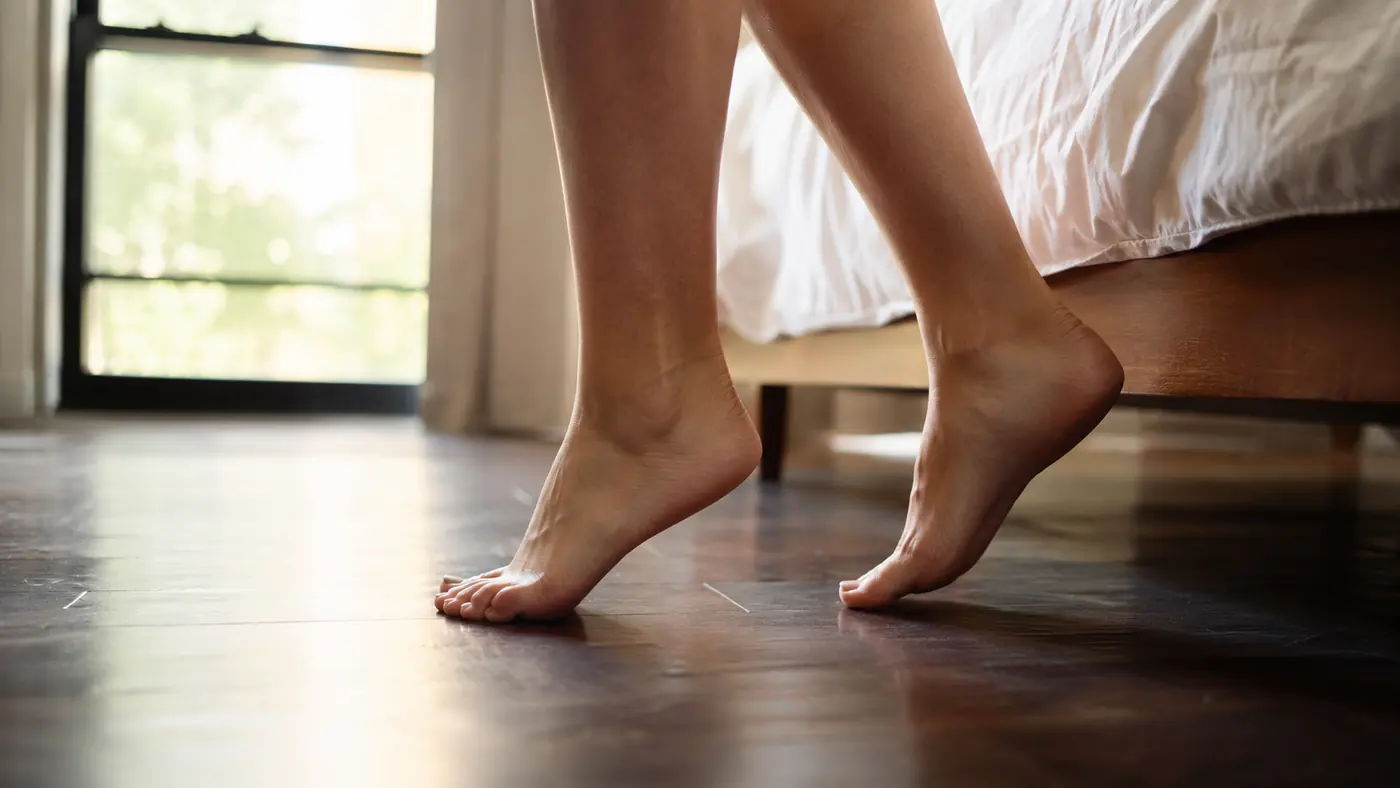
Here's the part that made the rough first two weeks worth it. Before the United Ortho splint, my first ten to fifteen steps every morning were the worst part of my day, a sharp pull along the arch that made me walk on the outside edge of my left foot until it eased up. That pattern didn't fully disappear, but it changed shape. The sharp first-step pain softened into more of a mild stiffness, closer to what I feel in a joint that just needs to warm up rather than one that's actively irritated.
I did not get a pain-free foot. I want to be direct about that because I've seen other reviews imply a full fix, and that's not honest. On a week where I skip a few nights, either from travel or just forgetting, the sharper first-step pain creeps back within two or three mornings. That tells me the splint is managing the pattern, not curing whatever's actually going on in the fascia, and I think that distinction matters for anyone deciding whether this is worth the sleep disruption up front.
If you want the full walkthrough of how I actually put it on and adjust the angle night to night, I laid out every step in my guide to treating morning heel pain with a night splint, including the exact order I tighten the three straps in now that I've stopped making the mistakes I made in week one.
What I Liked
- Softened my sharp first-step heel pain into mild stiffness within a couple of weeks
- Straps are fully adjustable once you learn to distribute tension across all three
- Fits either foot, so it works regardless of which side is bothering you
- Habituation is real, most of the sleep disruption faded by the end of week one
- Sturdy shell that hasn't cracked or lost its rigidity after months of nightly use
Where It Falls Short
- First three nights genuinely disrupted my sleep, that's not marketing spin
- Traps heat against the skin, uncomfortable if your bedroom runs warm
- Top-of-foot strap can leave a pressure mark until you learn the right tension
- Bulky under a blanket, side and stomach sleepers will need to adjust position
- Doesn't resolve the underlying pain, it manages the pattern, and skipping nights brings it back fast
I did not get a pain-free foot. I got a foot that stops complaining as loudly, as long as I keep showing up for it every night.
Who This Is For
This makes the most sense for someone whose worst pain is specifically that first-step-out-of-bed pain, since that's the exact pattern the overnight stretch is built to interrupt. It also suits people who can tolerate a couple of rough nights up front in exchange for a longer-term routine, the same way I'd tell a client that the first week of any new stretching habit is the hardest one. If you're someone who sticks with an uncomfortable habit once you've decided it's worth it, you're the person this was built for.
Who Should Skip It
If you already struggle with sleep, whether that's insomnia, a light sleeper's temperament, or a partner who wakes at the smallest disturbance, be honest with yourself about whether you'll actually push through the adjustment period or give up on night four and let it sit in a drawer. I'd also skip it if your pain isn't concentrated in that first-step pattern, because you're taking on real sleep disruption for a mechanism that's targeting a specific kind of morning pain, not general foot soreness. And if you run hot at night and don't have a way to cool the room down, know that going in rather than being surprised by it.
Rough First Nights, Real Payoff by Week Two. That's the Honest Trade.
If your worst pain is that first step out of bed, the United Ortho Night Splint is worth pushing through a rough week one for. Check today's price and current rating on Amazon.
Amazon Check Today's Price on Amazon →