
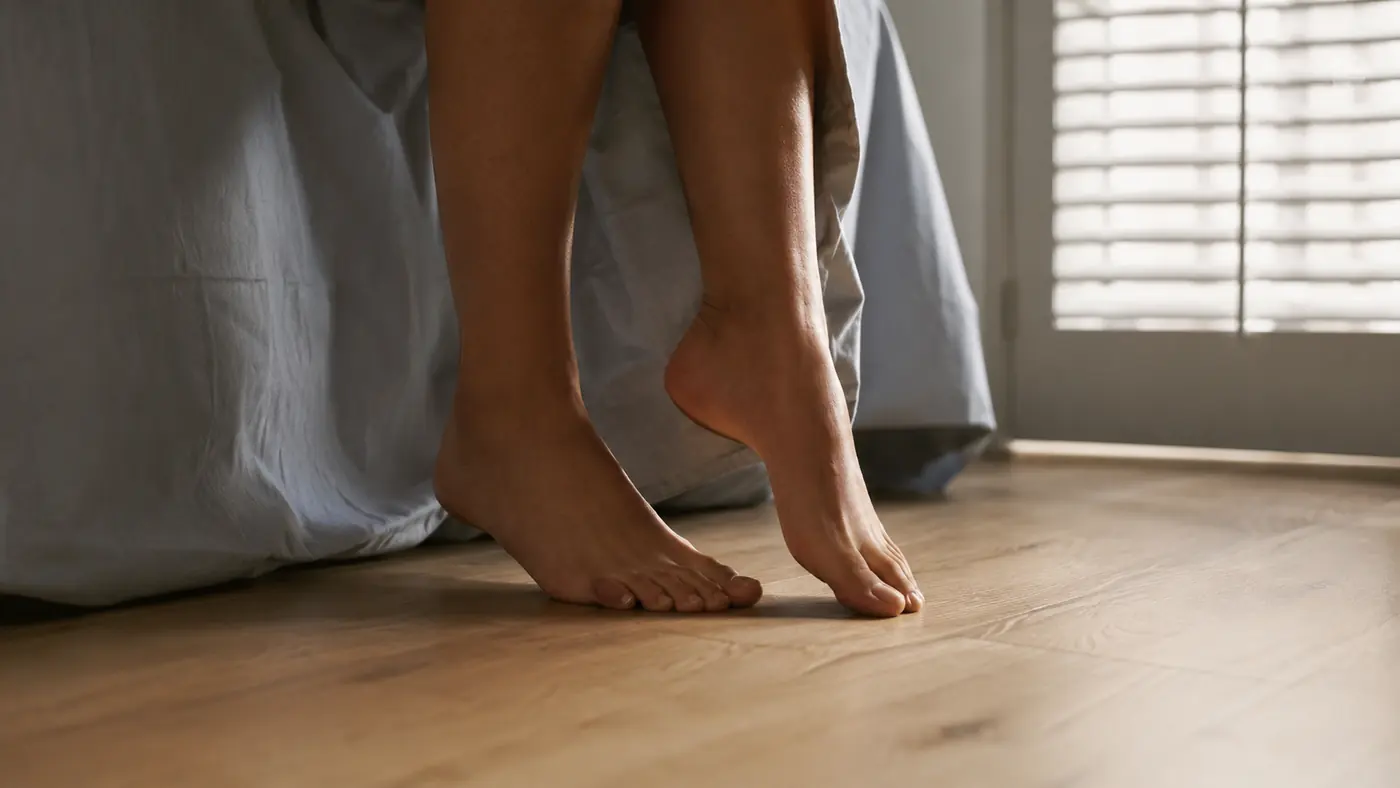
The first ten steps out of bed used to be the worst part of my day, worse than most of what I feel in a client's knee on a bad week. My left heel would hit the floor and it felt like stepping straight onto a rolled up rubber band pulled tight from heel to toes, sharp and impossible to ignore, right through the arch. I'd stand there gripping the doorframe of my spare bedroom for a second before I trusted the foot to hold my weight.
That fascia has been cranky since a half marathon I ran two years ago. I finished it, I was proud of it, and I paid for it for months afterward. I'm a former collegiate 800m runner, mid-pack, no records, so I know the difference between normal post-race soreness and something that decides to stick around. This stuck around. The United Ortho night splint is what eventually made those first steps bearable, though I resisted it for a long time.
I tried ignoring it the way I tell clients not to ignore theirs. I stretched my calves in the shower, I rolled my arch on a ball some mornings, and some weeks it calmed down enough that I forgot about it, then a long day on my feet at the table would bring it right back. The pattern never really changed: brutal first steps, easier by mid-morning, flared again by evening.
A splint felt like overkill to me at first. I work on bodies for a living and I've watched plenty of gadgets promise a fix and deliver a strap that ends up in a drawer after a week. I was skeptical this would be any different, and honestly I put off ordering the United Ortho night splint longer than I probably should have, given what I already knew about the mechanism.
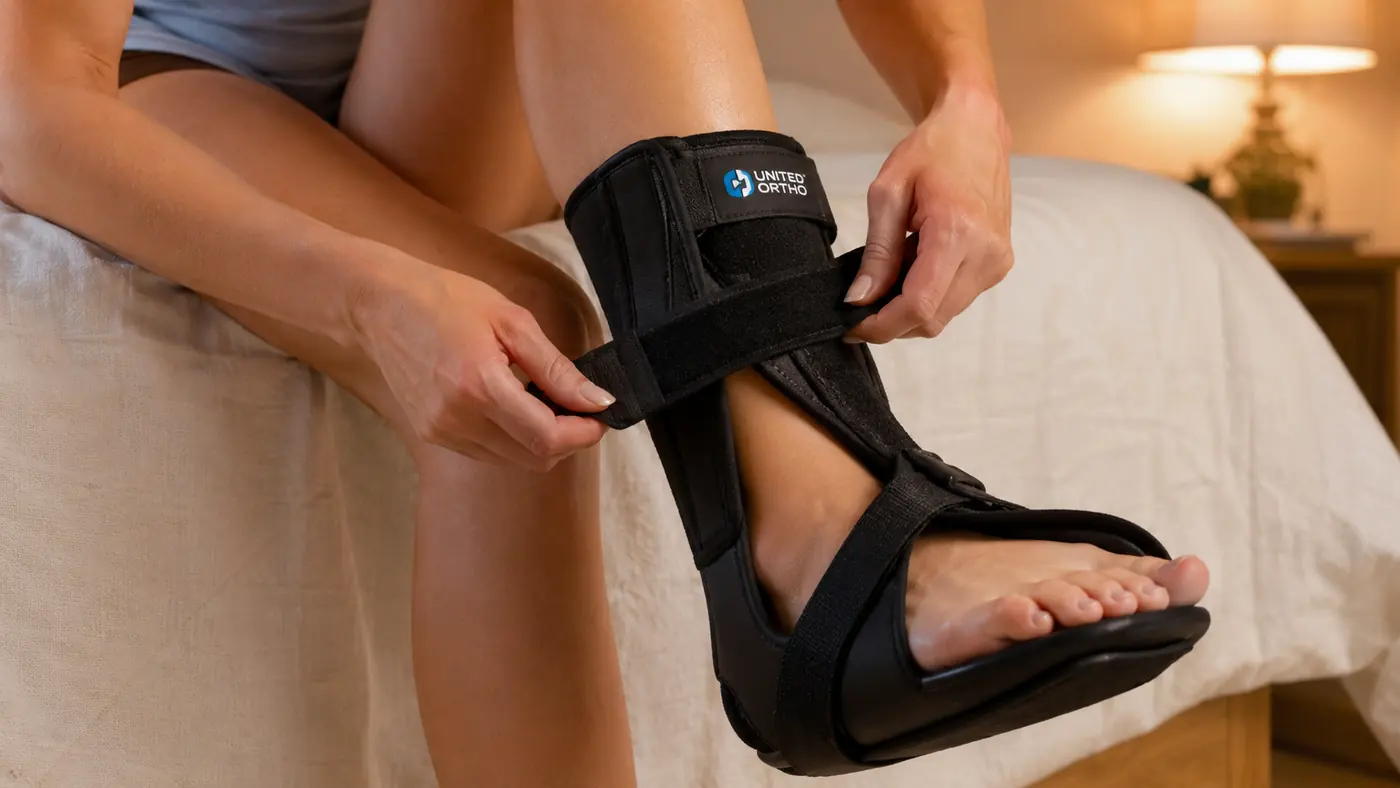
When I finally strapped it onto my left foot before bed, the whole point of it clicked in about ten seconds. It holds the ankle close to a right angle all night, so the fascia stays in a mild, steady stretch instead of curling up short while I sleep, which is exactly what happens without it and exactly why that first step down is the worst one. It felt strange the first night, bulky against the sheets, and I woke up twice just aware it was there.
The fascia wasn't shortening back up while I slept, so it had nothing brutal to snap back into the moment I stood up.
Still Wincing Through the First Ten Steps? This Is What Finally Quieted Mine.
The United Ortho night splint holds the fascia in a gentle stretch overnight, so you're not fighting a shortened one awake every morning. Check today's price and current rating on Amazon.
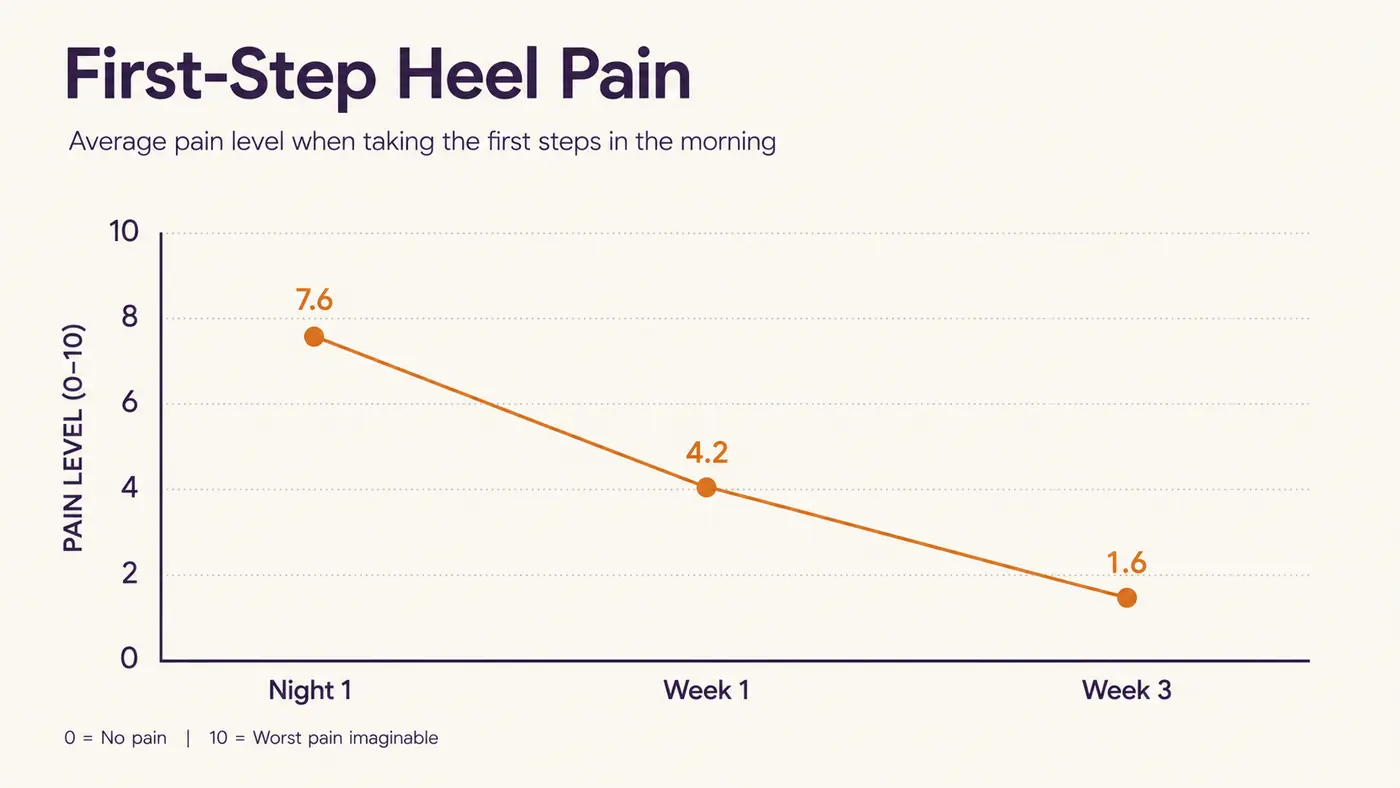
Amazon Check Today's Price on Amazon →By the end of the first week, the change wasn't dramatic, it was just quieter. That first step out of bed still had something to it, but it had gone from a sharp pull to a dull stiffness, the kind you shake out in a few steps instead of the kind that stops you at the doorframe.
Three weeks in is when I actually noticed it, not because the pain was gone but because I'd stopped bracing for it. I'd swing my legs out of bed the way I did before the half marathon, without thinking about which foot hit the floor first. That's a small thing to describe and a genuinely big thing to feel after two years of managing around it.
I still get a mild version of that tightness on weeks I skip a couple of nights, usually when I travel for continuing education and forget to pack it. It comes back within two or three nights of skipping, which tells me the splint isn't curing anything structural, it's managing the specific overnight mechanism that made my mornings miserable. I wrote up the full week-by-week log in my long-term night splint review if you want more detail than a shorter story like this one can hold.
It also isn't the only piece of the routine, and I don't want to oversell it as one. My calves, my running mechanics, and how I stand at the table all matter too. If you want the broader list of what actually eases plantar fasciitis besides the overnight stretch, I laid out ten specific reasons it helps that goes past the sleep mechanism into daytime habits.
What I'd Tell You If We Were Sitting at My Kitchen Table
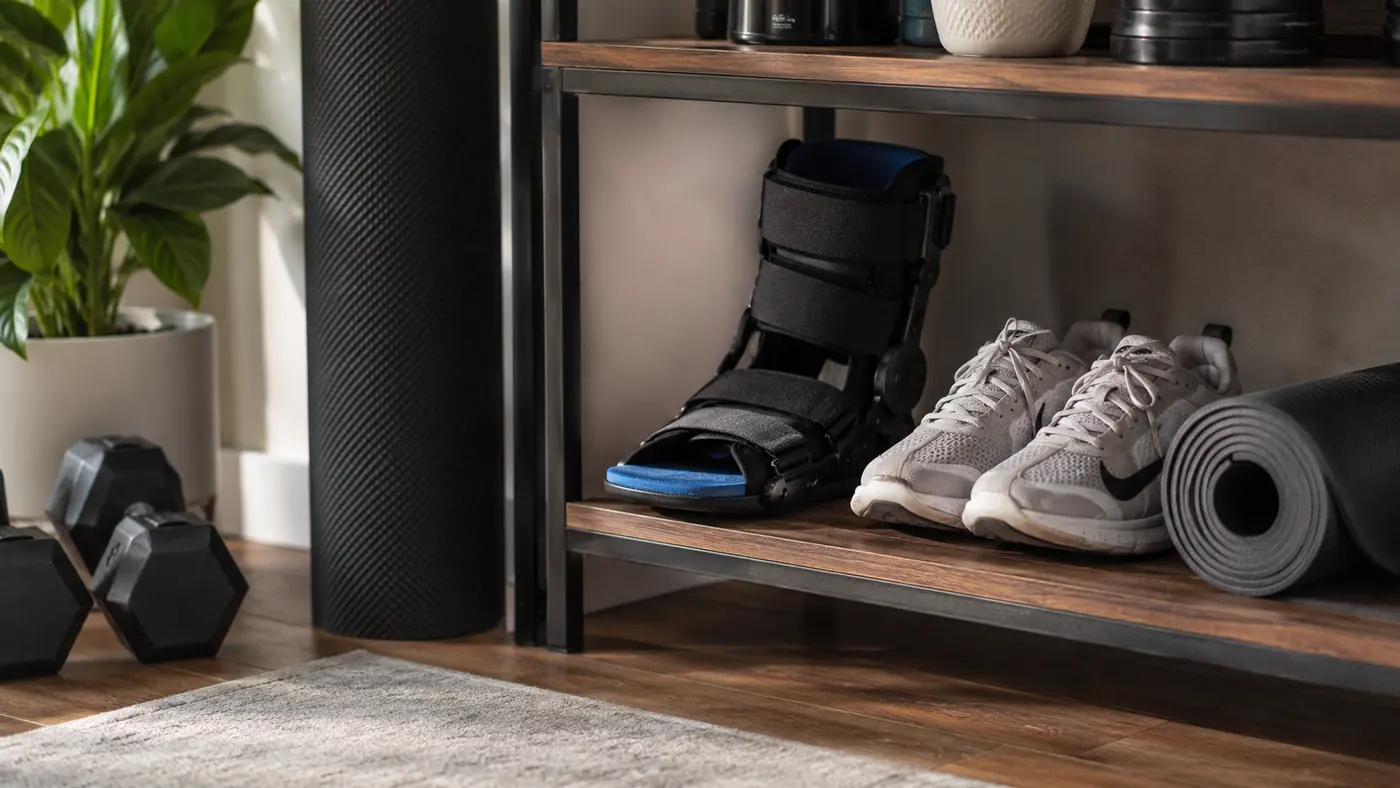
If you were sitting across my kitchen counter while I typed up client notes and told me about that same first-step pain, I wouldn't tell you this splint is a miracle, because it isn't one and I don't trust anyone who says it is. I'd tell you it's a cheap, unglamorous thing that addresses one very specific mechanical problem, the fascia shortening while you sleep, and if that's your problem too, it's worth a real two or three week trial before you write it off. I still keep mine on the shelf next to my mat, and two years into this, that's the most honest answer I've got.
Two Years of Bracing for the First Step. This Is What Changed That.
If your mornings start the same brutal way mine used to, give the United Ortho night splint a real three-week trial on your own foot. Check today's price and current rating on Amazon.
Amazon Check Today's Price on Amazon →