
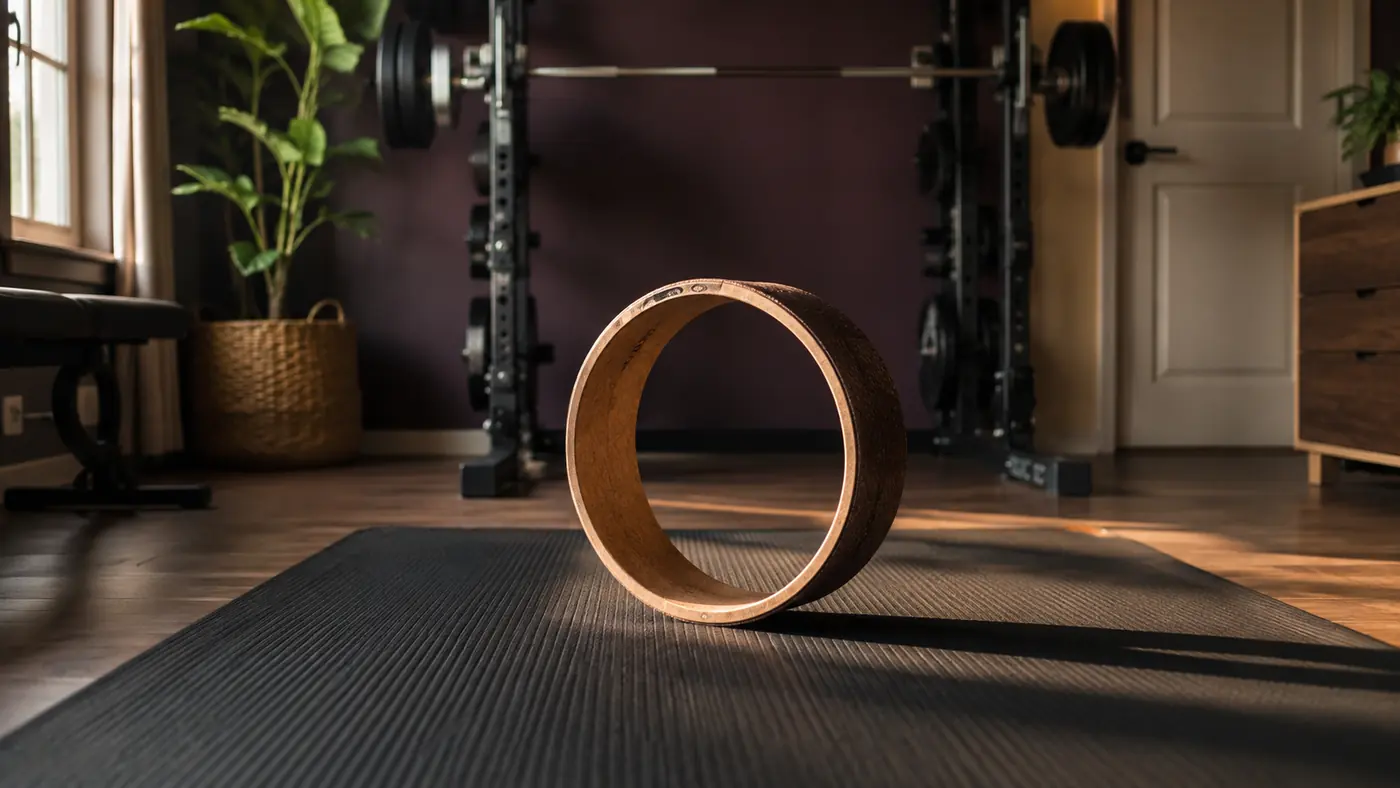
Pete's Choice Yoga Wheel is the tool I recommend most to clients whose low back locks up after long days, and it's the one on the shelf in my own spare bedroom. I'm a licensed sports-massage therapist and a former collegiate 800m runner, mid-pack, no records, and I spend four days a week leaning over a table and five days a week training around that same stiffness. Here are ten reasons this wheel earned a permanent spot in my routine.
A few of these reasons are things I explain to clients every week. A couple only became obvious to me after using the wheel daily for months, tracked in detail in my full long-term review. This is the shorter version, why it works, section by section, and who it helps.
Still Stiff Every Morning No Matter How Much You Stretch?
A stiff mid-back is often why a low back won't loosen up. Pete's Choice Yoga Wheel is what I use to open that segment first. Check today's price and current rating on Amazon.
Amazon Check Today's Price on Amazon →It Targets Thoracic Extension, Not a Generic Stretch
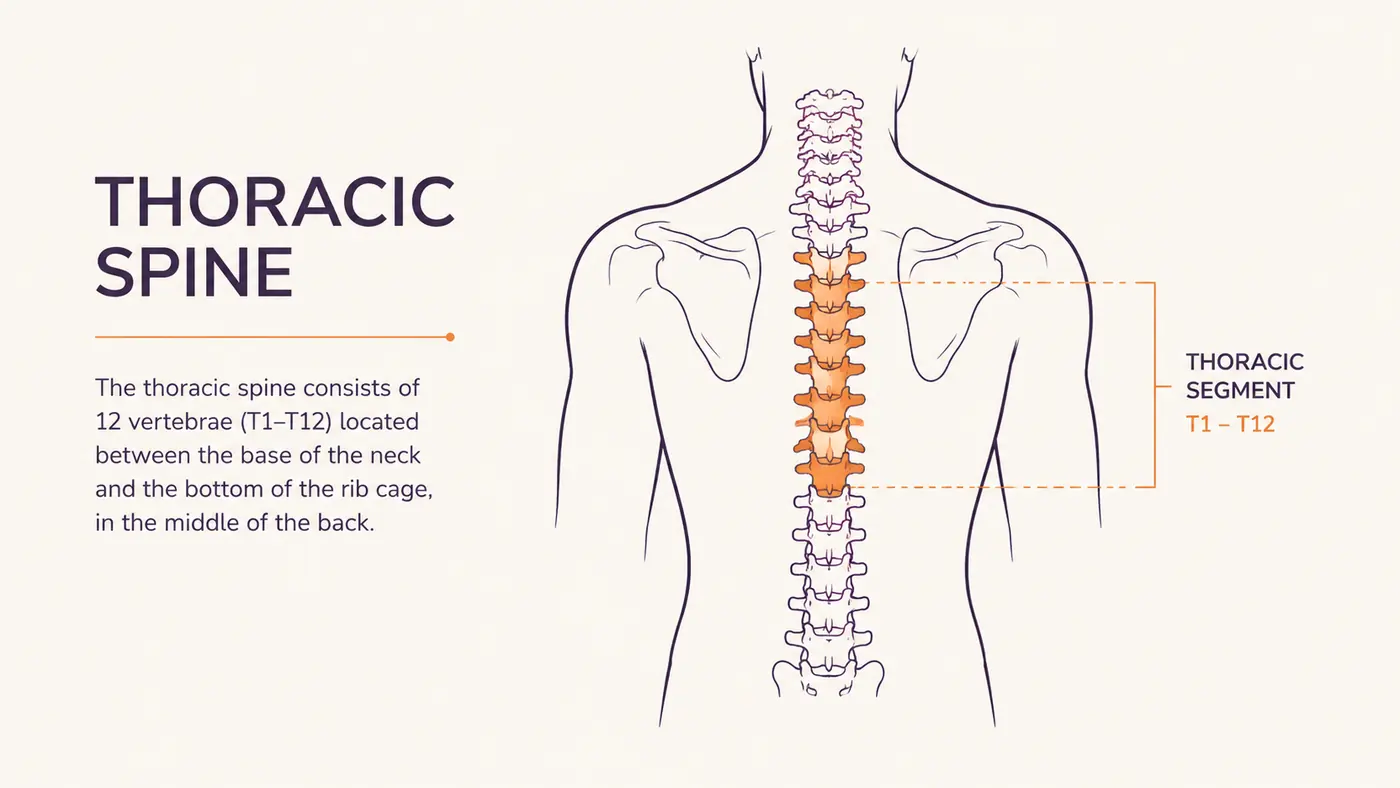
Most stretches aimed at a stiff back focus on the lower spine, but a lot of the stiffness I feel and see in clients actually lives higher up, in the thoracic spine between the shoulder blades. The Pete's Choice wheel is shaped specifically to support that curve and let it extend backward under control. A folded towel or a foam block can approximate this, but they don't hold the shape the same way, and I've watched clients drift out of position within a minute on a flat surface. The wheel keeps the extension where it belongs for the whole session.
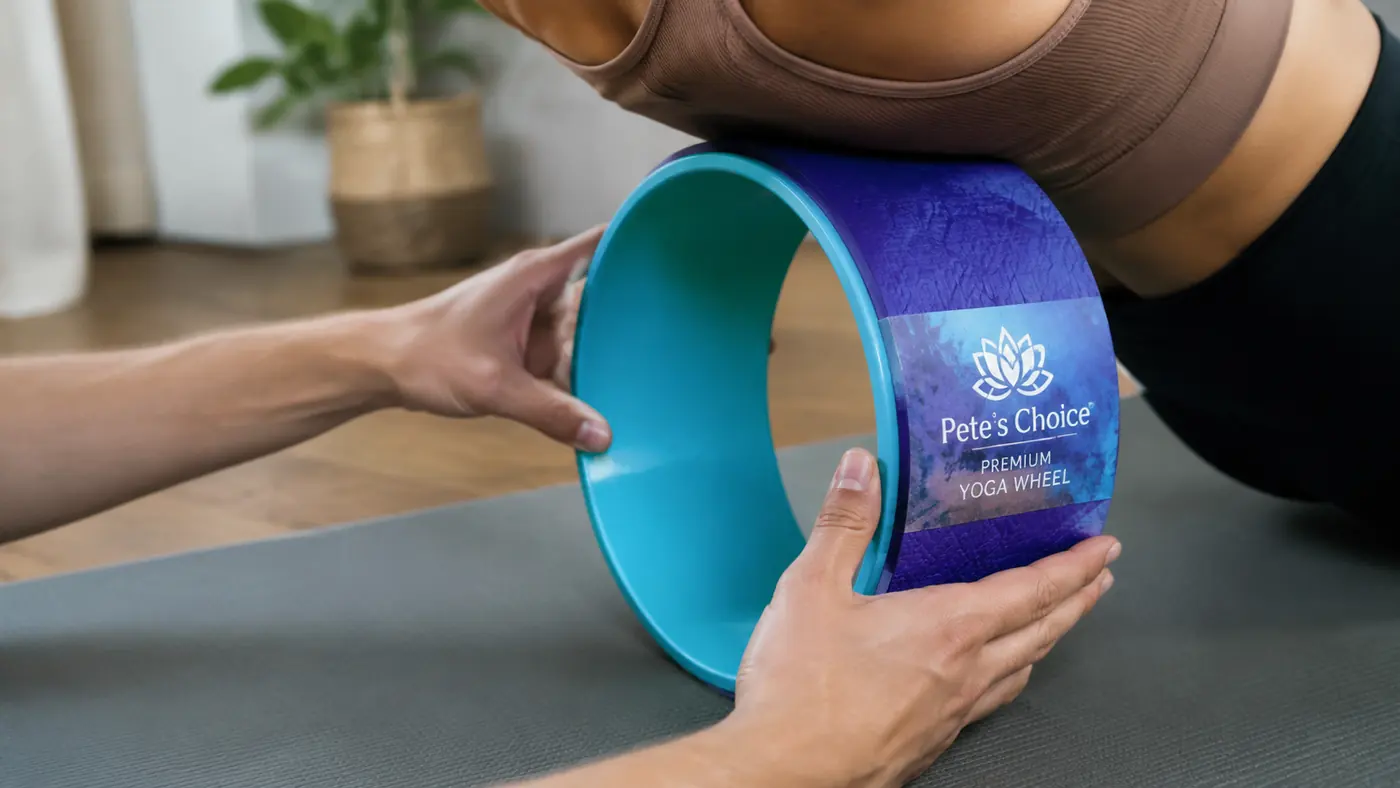
It Rolls Section by Section Instead of Stretching Everything at Once
A static backbend stretches the whole thoracic spine evenly, which sounds fine until you realize most people have two or three segments that are far stiffer than the rest. Rolling on the wheel lets me pause exactly where a segment catches, instead of letting the mobile parts of my spine do all the moving while the stiff parts sit untouched. That segment-by-segment approach is the biggest difference between this and a generic backbend, and it's the reason I noticed change in specific spots rather than a vague sense of looseness.
It Eases Low-Back Tightness by Fixing What's Actually Upstream
My own chronic complaint is a lower back that locks up after long drives and long treatment days, and a thoracic tool shouldn't logically touch that. What I've found, in my own body and in clients, is that a stiff mid-back forces the lumbar spine to over-move to compensate. Opening the thoracic spine with the wheel reduces how much extra work the low back has to do, which took the edge off a pattern I used to treat as a purely lumbar problem. I go through the full mechanism in my honest review of this wheel.
It Fits a Small Space, So It Actually Gets Used
I keep the wheel on a shelf in my spare bedroom, right next to my mat, because a recovery tool that lives in a closet doesn't help anyone. It takes up less floor space than the mat itself and doesn't need to be inflated, charged, or set up before a session. That sounds like a small detail, but the tools that actually change something over months are the ones you reach for without thinking, not the ones that need ten minutes of setup first.
It Loosens the Upper Back Before a Lifting Session
I roll on the Pete's Choice wheel most mornings before I lift, and the difference shows up almost immediately in overhead positions. A stiff thoracic spine forces the shoulder to borrow range of motion it doesn't actually have, which is where a lot of shoulder pinching during pressing movements starts. A few minutes of rolling beforehand gives my upper back the extension it needs so my shoulders aren't compensating for a spine that won't move. It's become as routine as a warm-up set at this point.

It Undoes the Slump From Standing and Leaning All Day
I don't sit at a desk. I lean over a massage table four days a week, and the forward-lean posture that creates is the same pattern my clients call tech neck when a screen causes it instead. The tissue doesn't care which one is responsible. Draping over the wheel and letting my upper back extend passively for thirty to sixty seconds counters that forward lean directly, and it's the fastest way I've found to reverse the hunch at the end of a long day of leaning.
It Gives Rotation Back on a Long Run
My long run sits at eight to ten miles most Sundays, and torso rotation is one of the first things that stiffens up late in a run, right when form starts to break down. A mobile thoracic spine lets the arms swing and the torso rotate without the lower back twisting to make up the difference. Regular sessions on the wheel are part of why that rotation stays available later into a run instead of locking up in the final miles.

It Comes With a Strap So Tight Bodies Can Ease In
The wheel ships with a strap and a beginner's guide, and the strap matters more than it looks like it would. If your thoracic spine is genuinely stiff, letting gravity pull you into a full extension on day one is a good way to feel worse instead of better. The strap lets you control exactly how far you go, and starting shallow with it is what I now tell clients who are rolling too aggressively too soon, since I've seen that mistake more than once.
It Builds a Habit Because It's Right There on the Shelf
The best recovery tool is the one you actually do, not the one with the best specs on paper. This wheel earns its spot because it takes no setup, it's visible every time I walk into the spare bedroom, and it doesn't ask for a decision the way a full mobility routine does. Consistency is what actually changes tissue over months, and a simple tool that's easy to grab beats a fancier one that sits in a drawer. That's the honest reason it stuck around after a few skeptical first days.
It Works as a Rest Day Tool, Not Just a Pre-Lift Ritual
On days I'm not lifting, I still roll for a few minutes, because thoracic stiffness builds up from the job itself, not only from training. A short session on a rest day keeps that stiffness from compounding into a stiffer week, which matters more for me than for most people since my work posture never really changes day to day. It's a low-effort way to stay ahead of the pattern instead of only treating it after it's already locked up.
What I'd Skip
This wheel won't touch pain that isn't coming from the thoracic spine. My own left plantar fascia never budged from any amount of rolling, because a foot problem and a mid-back problem aren't connected. If your stiffness is squarely in the hips, the feet, or a specific joint, don't expect this to be the fix. And if a tool only works when it's simple, that's exactly what this is, so the real risk isn't the wheel, it's skipping the consistency.
Every stiff spine I've worked on has a section doing too much and a section doing nothing. The wheel goes straight for the one doing nothing.
Ten Reasons In, and It's Still the First Thing I Reach for Before I Lift
If a stiff mid-back is quietly running your low back into the ground, this wheel is worth testing against your own routine. Check today's price and current rating on Amazon.
Amazon Check Today's Price on Amazon →