
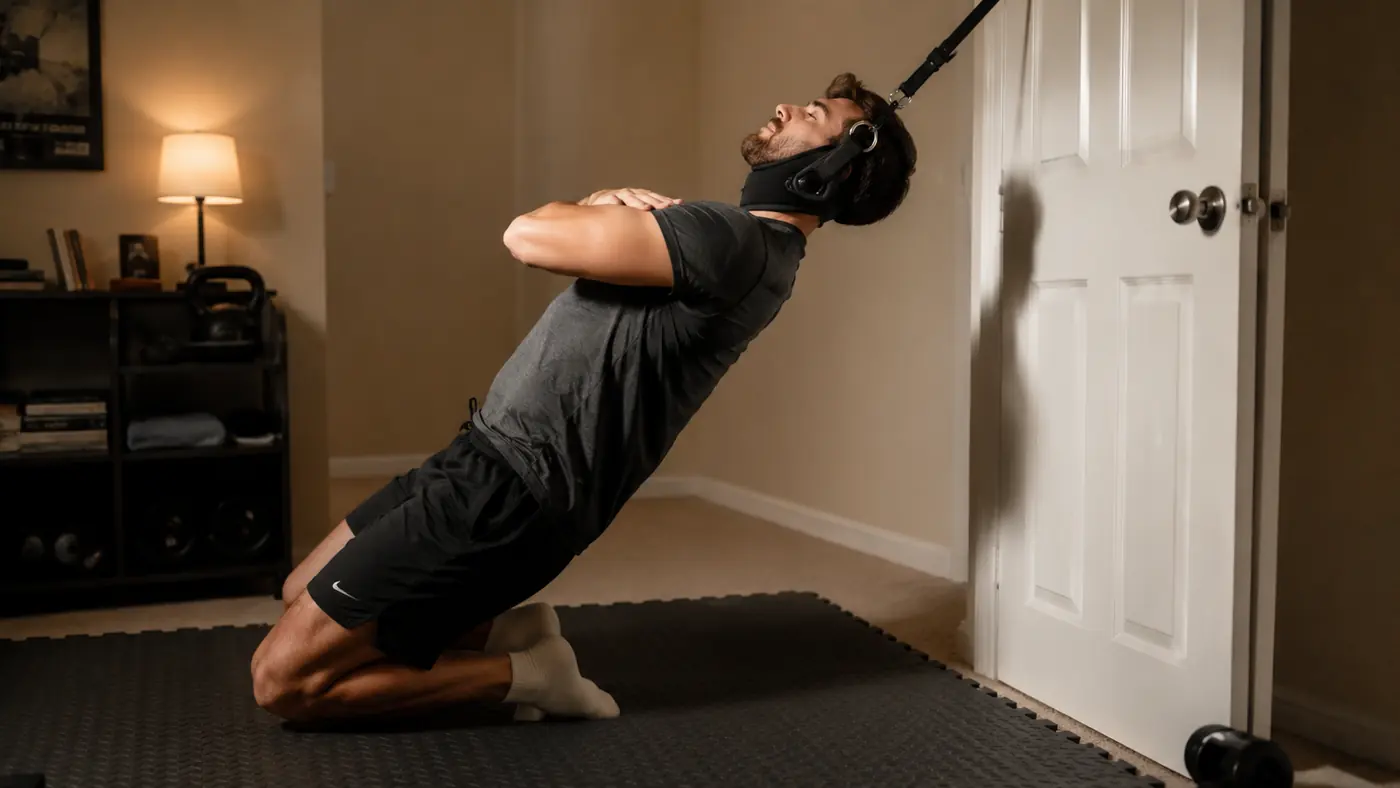
I hang a neck hammock off my spare bedroom door most evenings, right after I close my laptop from writing client notes at the kitchen counter. I'm a licensed sports-massage therapist, and I get the same forward-head pattern my clients call tech neck, except mine comes from leaning over a table all day instead of a phone. The tissue does not care where the pattern came from. Here are ten specific reasons The Original Neck Hammock earns that spot on my door, based on what I feel in my own neck and what I see in the necks I work on.
Same Forward-Head Pattern, Different Cause. The Fix Doesn't Change.
The Original Neck Hammock is the tool I reach for before bed on treatment-heavy days. Check today's price and current rating on Amazon.
Amazon Check Today's Price on Amazon →It puts the neck in actual traction, not just a stretch
A stretch pulls tissue in one direction. Traction opens the joint space itself, gently separating the cervical vertebrae so the discs and small muscles between them get a break from constant compression. The neck hammock does this by using your own head weight against a door anchor, which is a simple mechanism but a real one. I feel the difference in the first two minutes, a kind of decompression through the base of my skull that a manual stretch never quite reaches on my own neck.
It targets the exact segment that tech neck loads up
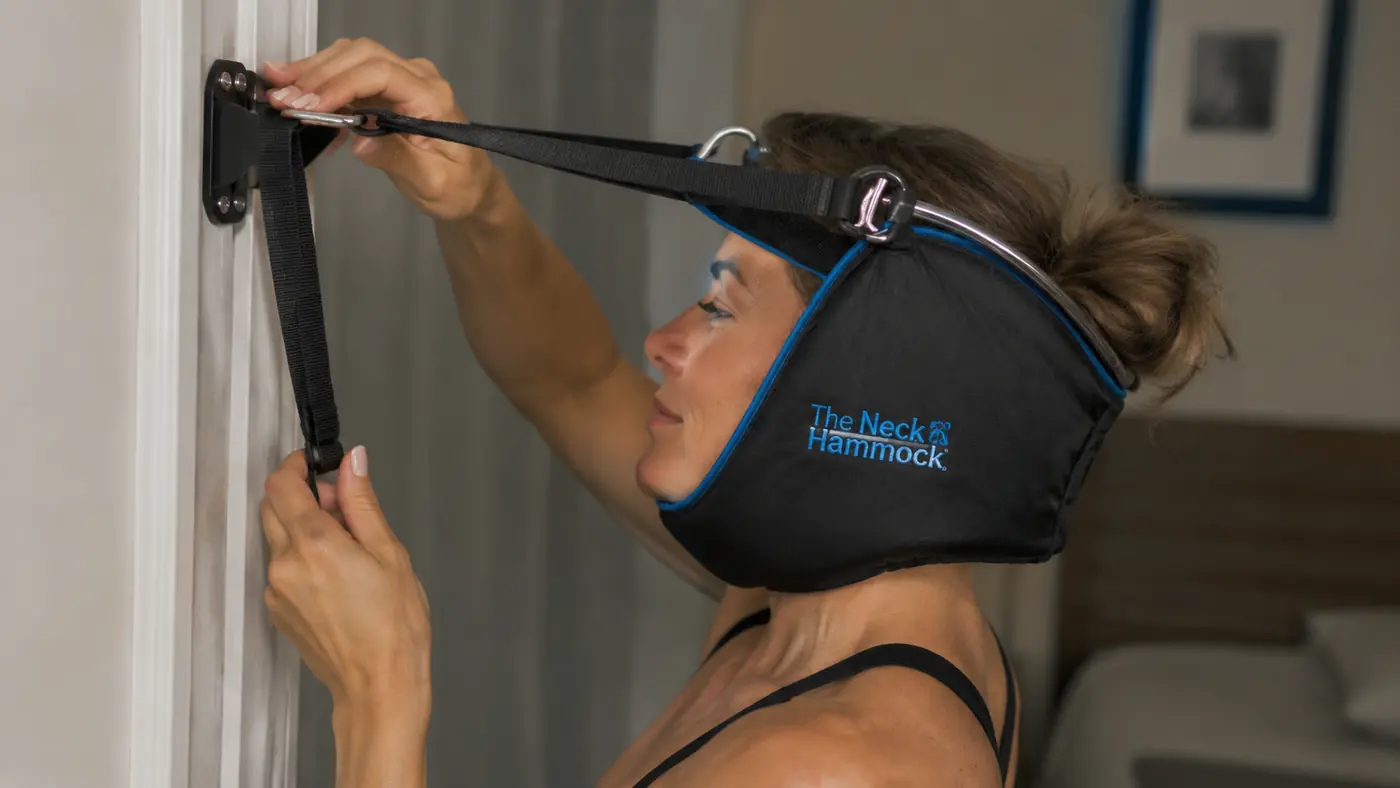
Forward-head posture, whether it comes from a phone, a monitor, or my table, concentrates load right at the upper cervical spine and the base of the skull. That's where the headaches usually start in clients who come in with tech neck. The hammock's strap sits right under the head and lets that specific segment unload, instead of generally loosening the whole neck the way a warm shower or a broad massage would.
It doesn't require anyone else's hands
Most real cervical traction, the kind I'd do on a client, needs a second set of hands or a clinic table. This one hangs off a door and works with body weight alone, which matters on the nights I get home late from treatment days and don't want to ask anyone for help. I set it up in under a minute, and that low friction is a big part of why I actually use it instead of skipping it.
It gives the upper traps a genuine break
My upper traps stay chronically tight from leaning over a massage table, and I hear the same complaint from clients who describe hours of screen time. Those muscles work overtime holding the head up against gravity when the head sits forward of the shoulders. Traction takes some of that holding job away for the ten or fifteen minutes I'm in the hammock, and my traps feel noticeably looser when I get up, not just my neck.
It's a forced pause from the screen itself
This part matters more than people expect. You can't scroll a phone while your head is reclined into a hammock. For fifteen minutes, the exact posture that caused the problem is physically impossible to hold, which means the muscles get a rest from the loaded position and not just from movement. I notice this most on evenings when I catch myself hunched over client notes for too long. The hammock is the thing that actually breaks the posture, not just a device I use while still in it.
It's easier to stay consistent with than manual stretches
I know the manual cervical stretches. I teach them to clients constantly. The honest problem is that they're easy to do half-heartedly or skip entirely on a tired night. Hanging a hammock on the door is a visible cue, and once I'm strapped in, I'm not tempted to cut the session short after thirty seconds the way I sometimes do with a stretch I'm just supposed to hold myself. Consistency is most of what makes any recovery tool work, and this one nudges me toward it.
It eases the tension headaches that ride along with tech neck
A lot of the headaches I treat that trace back to forward-head posture start at the base of the skull, right where the upper traps and the small suboccipital muscles attach. Easing compression at that junction is one of the more reliable ways I've seen tension headaches soften, in myself and in clients who describe the same screen-heavy days. This isn't a guaranteed fix and I won't tell you it is, but the connection between that specific spot and that specific kind of headache is real and it's one I work with directly on the table.

The adjustable strap fits the session to how bad the day was
Some evenings my neck is mildly tight. Other evenings, after a string of long client days, it's locked up enough that I want a shorter, gentler session instead of the full stretch. The strap length adjusts, so I can dial in less pull on a rough night rather than forcing a full traction session my neck isn't ready for. That flexibility is part of why it hasn't ended up sitting unused in a drawer the way a rigid one-setting tool might have.
It's portable enough to bring on the road
It packs down small enough to throw in a bag, which matters since I travel for continuing education a few times a year. Any door works as the anchor point, so I don't lose my evening routine just because I'm in a hotel room instead of my spare bedroom. Tools that only work in one specific setup tend to fall out of rotation the first time life gets disrupted, and this one has survived a few trips without becoming one of those.
It gives you something to compare your posture against
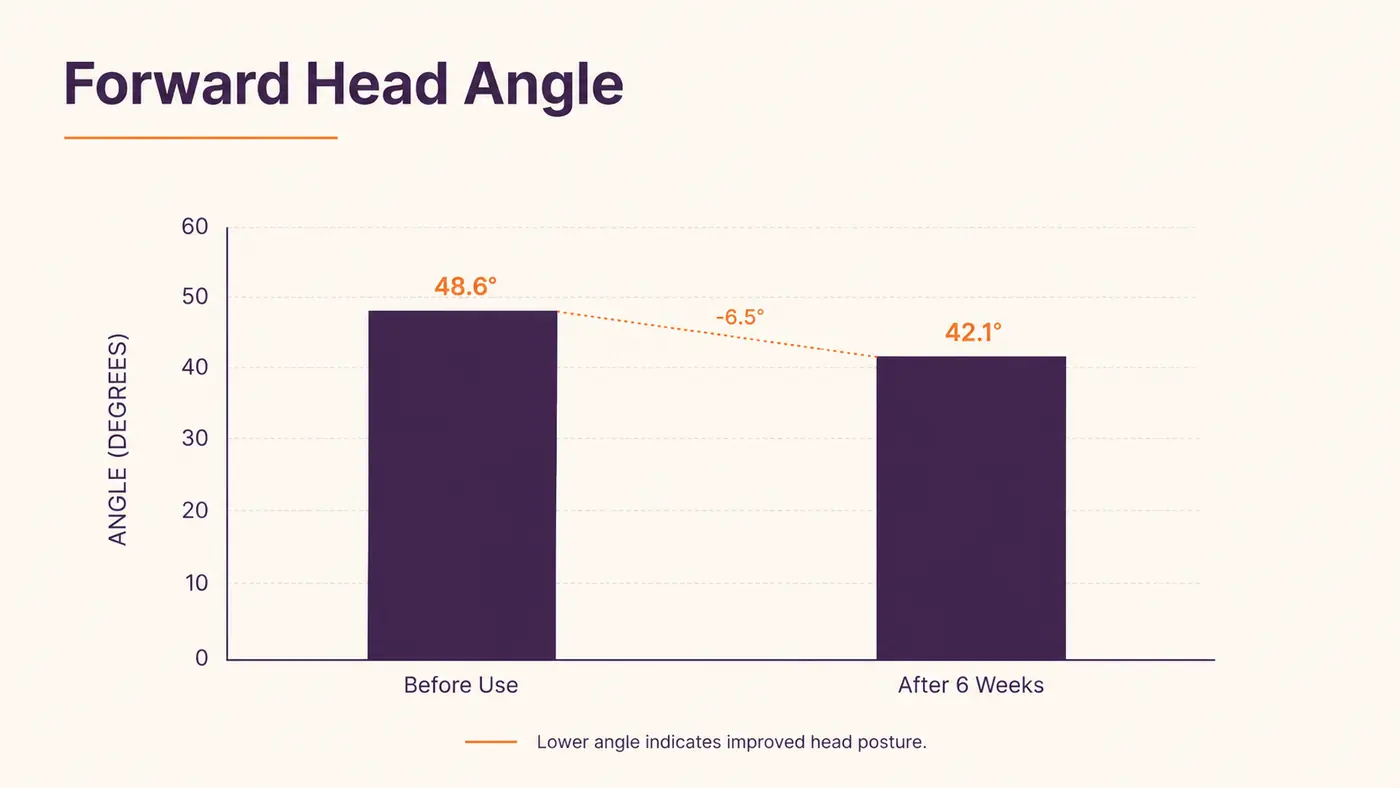
This one surprised me. After a stretch of consistent evening sessions, I notice more clearly when my head has crept forward again during a long day at the table, almost like the hammock reset a baseline I can feel myself drifting from. That kind of body awareness is hard to build from a stretch you do once and forget. It's a small, quiet benefit, but it's the one that's kept me paying attention to my own posture instead of just reacting to pain after it shows up.
What I'd Skip
I would skip using this as your only tool if your neck pain is sharp, radiates down an arm, or comes with numbness or tingling. That's outside what a traction hammock is built for and worth an actual assessment, not a recovery tool bought off a listicle. I'd also skip it on a night when your neck feels acutely inflamed rather than just tight and heavy, since traction works best on a chronically loaded neck, not an irritated one. And if you know you won't hang anything on a door consistently, this will end up exactly like the tools that sit in your closet. I'd rather you know that going in than be disappointed at week two.
For the longer version of how it has held up for me, read my full long-term review, or the more blunt honest review if you want the drawbacks first.
I get tech neck from a table, you probably get it from a screen. The tissue does not care where the load came from, it just wants the pressure taken off.
Fifteen Minutes Off a Door Handle, Most Evenings
If your neck carries the same forward-head load mine does, whether it's from a screen or a table, The Original Neck Hammock is worth testing against your own week. Check today's price and current rating on Amazon.
Amazon Check Today's Price on Amazon →