
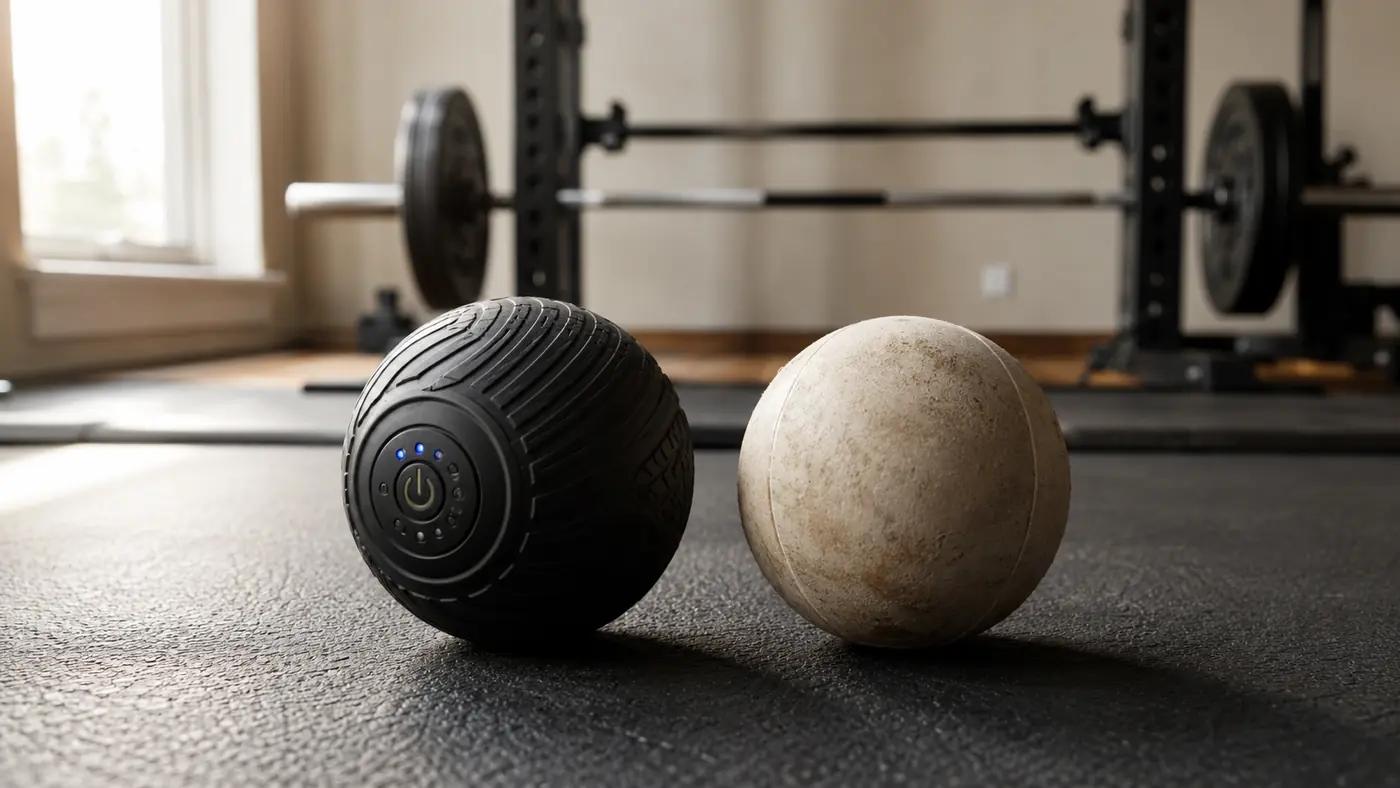
Short answer first, since I know that's why you're here: the LifePro 4-Speed Vibrating Massage Ball wins for trigger-point work, and it isn't especially close. I keep one in my gym bag and I've used a plain lacrosse ball on and off for years before that, so this isn't a comparison I ran once in a single session. It's built off months of using both, on my own calves and glutes after runs, and on plenty of client tissue in my sports-massage practice, four days a week, leaning over a table.
The vibrating ball isn't better at everything, and I want to be upfront about that before I sell you on it. A plain lacrosse ball is cheap enough that you can throw it in a bag and forget about it, it needs no charging, and for certain spots, especially under the arch of the foot where my own left plantar fascia has been cranky since a half marathon two years ago, the simplicity of a hard, static ball is sometimes exactly what the tissue wants. But for anything I'd call true trigger-point release, meaning a genuinely knotted band of muscle that doesn't want to let go under static pressure, the vibration changes the outcome enough that I reach for the LifePro first almost every time now.
Here's the mechanism, since I think it matters more than most reviews explain it. Static pressure from a plain ball relies almost entirely on you holding still long enough, and often being uncomfortable enough, for the nervous system to finally let the muscle relax around the pressure point. Vibration adds a second input. It stimulates mechanoreceptors in the tissue that seem to encourage the muscle to release faster, and in my own experience and in what I see with clients, it also just makes the first thirty seconds hurt less, which matters because most people quit a static ball at second fifteen out of sheer discomfort.
I should say how I actually tested this, since 'which one wins' deserves more than a gut feeling. For about six weeks I alternated deliberately, using the plain ball on one calf and the vibrating ball on the other after the same run, same distance, same pace, then noting how each side felt an hour later and again the next morning. I did the same split test on my glutes after lifting sessions. It's not a clinical trial, it's one body and one training log, but running the same tightness through both tools back to back, rather than trusting memory across separate weeks, is what actually convinced me the difference was real and not just a placebo from having a newer, fancier tool in hand.
| Spec | LifePro Vibrating Massage Ball | Plain Lacrosse Ball |
|---|---|---|
| Power source | Rechargeable, 4 vibration speeds | None, static pressure only |
| Weight | About a pound, feels substantial in hand | A few ounces, light and pocketable |
| Noise level | Audible hum on higher speeds, quiet on low | Silent |
| Best muscle group | Calves and glutes, larger muscle bellies | Plantar fascia and small, bony areas |
| Time to release a knot | Noticeably faster in my own sessions | Slower, depends on tolerance for discomfort |
| Maintenance | Needs charging every few weeks of regular use | None, wipe it off and it's ready |
| Portability | Fits in a gym bag, adds real bulk | Fits in a pocket or small pouch |
| Durability over months | Held up with no dead spots after a full training block | Effectively indestructible, it's a solid rubber ball |
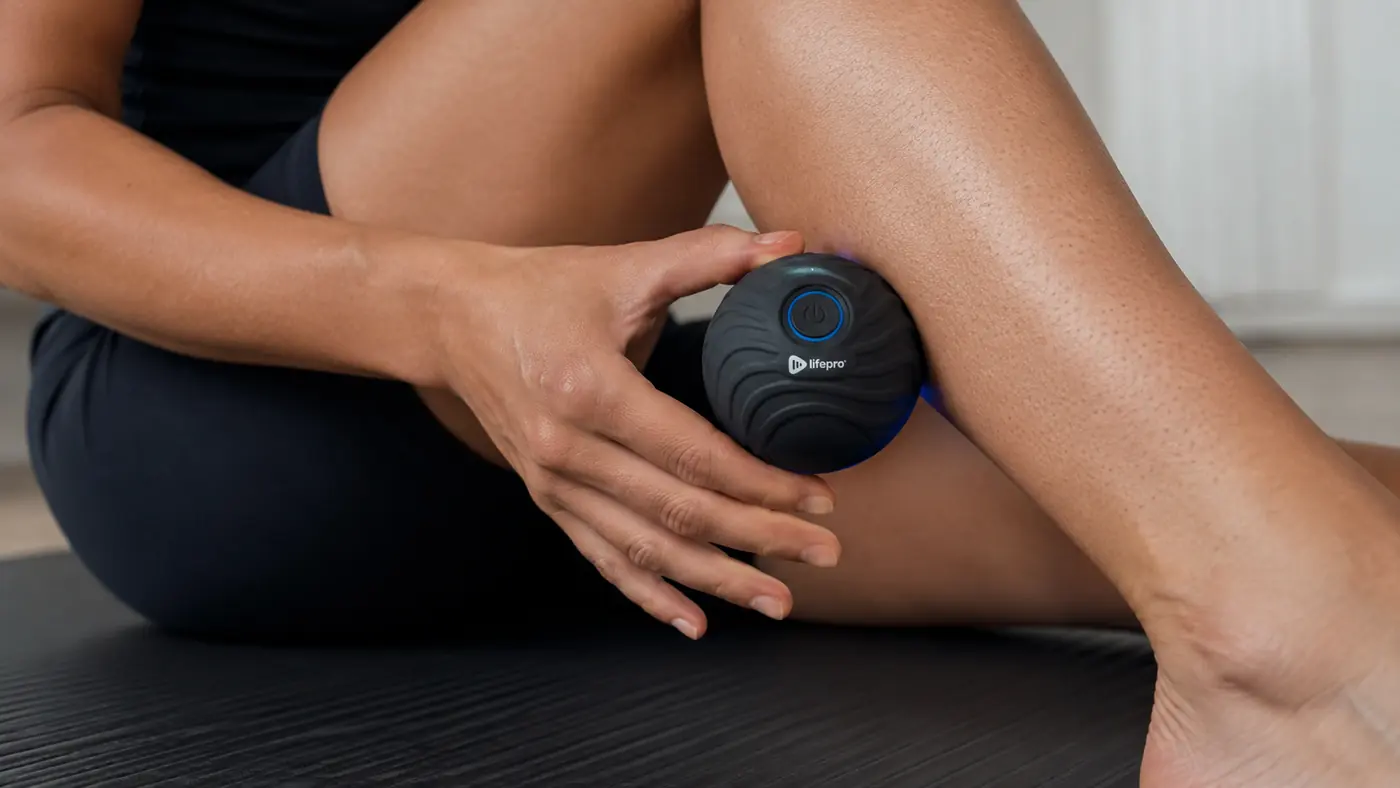
Where the LifePro Vibrating Massage Ball Wins
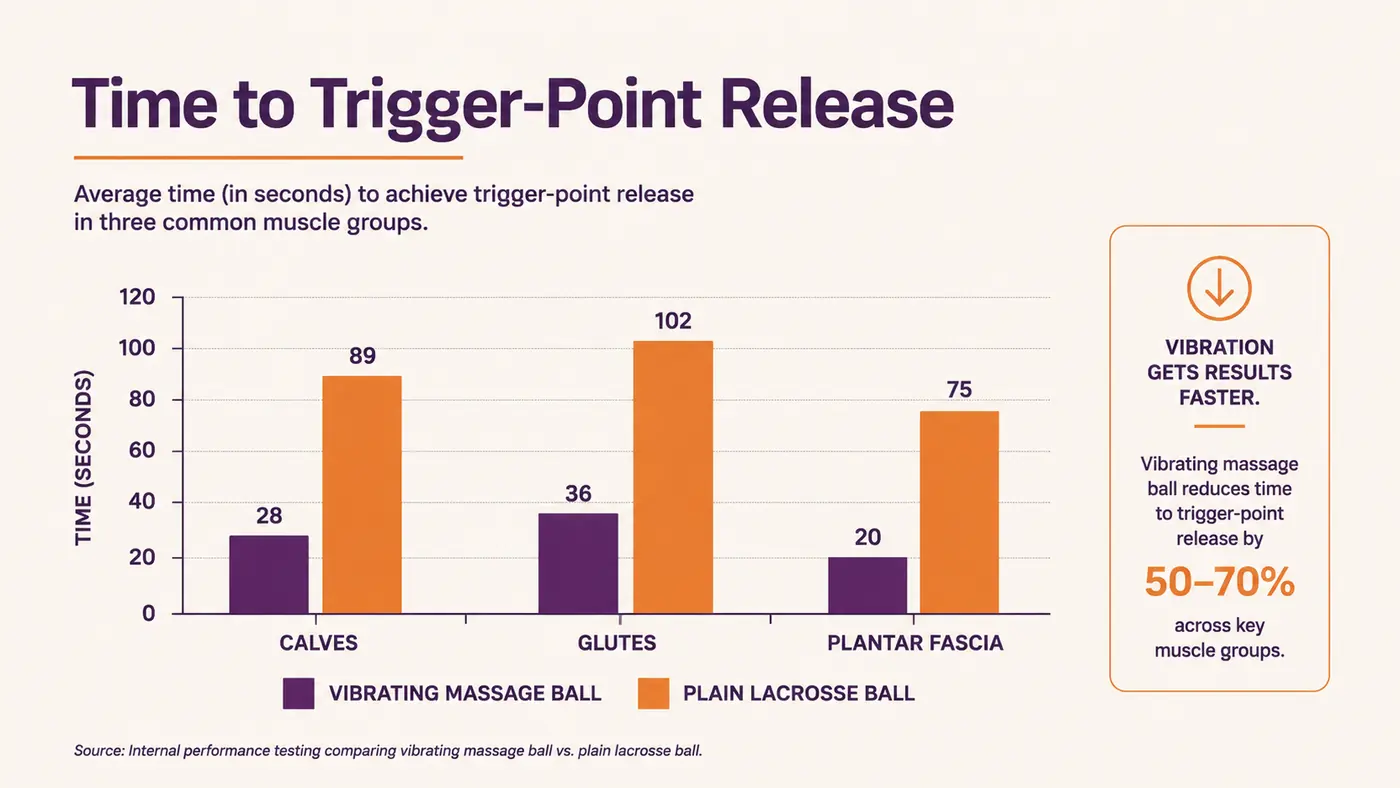
The clearest win is speed of release on bigger muscle bellies. My calves get tight fast on my long Sunday runs, which sit at eight to ten miles, and by the last two or three miles I can feel the gastrocnemius start to bunch up in a way that used to nag at me for two days afterward. With the plain lacrosse ball, working that spot out takes real patience, rolling back and forth, pausing on the tender points, and honestly sometimes giving up before it fully releases because my forearm gets tired holding the position. With the vibrating ball on speed two or three, I get through the same spot in roughly half the time, and it doesn't ask as much of my own arm to hold steady pressure while it does the work.
Glutes are the other clear win. That's a bigger, denser muscle group, and a plain ball on glutes, at least for me, has always meant either bracing my full body weight over it on a hard floor or not getting enough depth to actually hit the piriformis or glute medius where the real knots tend to sit. The added vibration seems to let the tissue soften enough that I can get real depth without white-knuckling through fifteen minutes of discomfort first. I use it there most evenings after a hard lifting session, right there in my spare bedroom on the rubber mat, before I sit down to do client notes on my laptop at the kitchen counter.
It also wins for anyone who tends to give up on rolling before it actually works, which in my experience as a therapist is most people. I see this constantly in the treatment room. A client will tell me they tried a lacrosse ball, it hurt, and they stopped using it after a week. The vibration seems to buy people patience they didn't have before, because the discomfort curve feels different, less like grinding on a hard edge and more like a deep buzzing pressure. That difference alone is probably why the vibrating ball gets used consistently in my own routine and the plain ball, historically, sat in a drawer more often than it got picked up.
The four speed settings matter more than I expected going in. Low is genuinely useful for anyone newer to trigger-point work, or for a spot that's acutely tender rather than just tight, since you can ease into pressure instead of committing to full intensity immediately. High is where I go for the calves after a long run, when I want the fastest release I can get before I'm too tired to keep at it. I go deeper into how I use each setting in my full routine for releasing trigger points with the vibrating ball, but the short version is that having a range of intensity is a real advantage a static ball simply cannot offer.
Where a Plain Lacrosse Ball Wins
Plantar fascia work is where the plain ball still holds its own, and honestly where I still reach for it more than the vibrating one. My own left plantar fascia has been cranky since a half marathon two years ago, and for rolling under the arch of the foot, a smaller, harder, simpler ball is easier to control with body weight while standing at the kitchen counter doing notes in the evening. I don't need a charge, I don't need to think about a speed setting, I just step on it and roll for a minute between tasks. There's something to be said for a tool with zero friction between deciding to use it and actually using it.
It also wins on simplicity for travel and for anyone who just wants one no-frills tool. I've thrown a lacrosse ball in a gym bag, a suitcase, even a jacket pocket without a second thought. The vibrating ball is heavier, bulkier, and it's one more thing that needs to be charged before a trip, which I have forgotten to do more than once before heading out for a continuing education weekend. If your goal is a single small object you never have to think about maintaining, the plain ball wins that argument outright.
And there's a cost-of-entry argument that's fair to make even without naming numbers. A plain lacrosse ball is about as cheap as recovery tools get, which makes it a reasonable first thing to try if you've never done any self-myofascial work before and you're not sure you'll stick with a routine. I'd rather someone try trigger-point work with a cheap ball and discover they hate it than spend more on a vibrating tool that ends up in a drawer for the same reason. The vibrating ball earns its keep once you already know you're going to use it regularly, not before.
Tired of Giving Up on a Knot Before It Actually Releases? This Is Why the Vibration Changes That.
The LifePro 4-Speed Vibrating Massage Ball is the one I reach for on calves and glutes after every hard run or lift now. Check today's price and current rating on Amazon.
Amazon Check Today's Price on Amazon →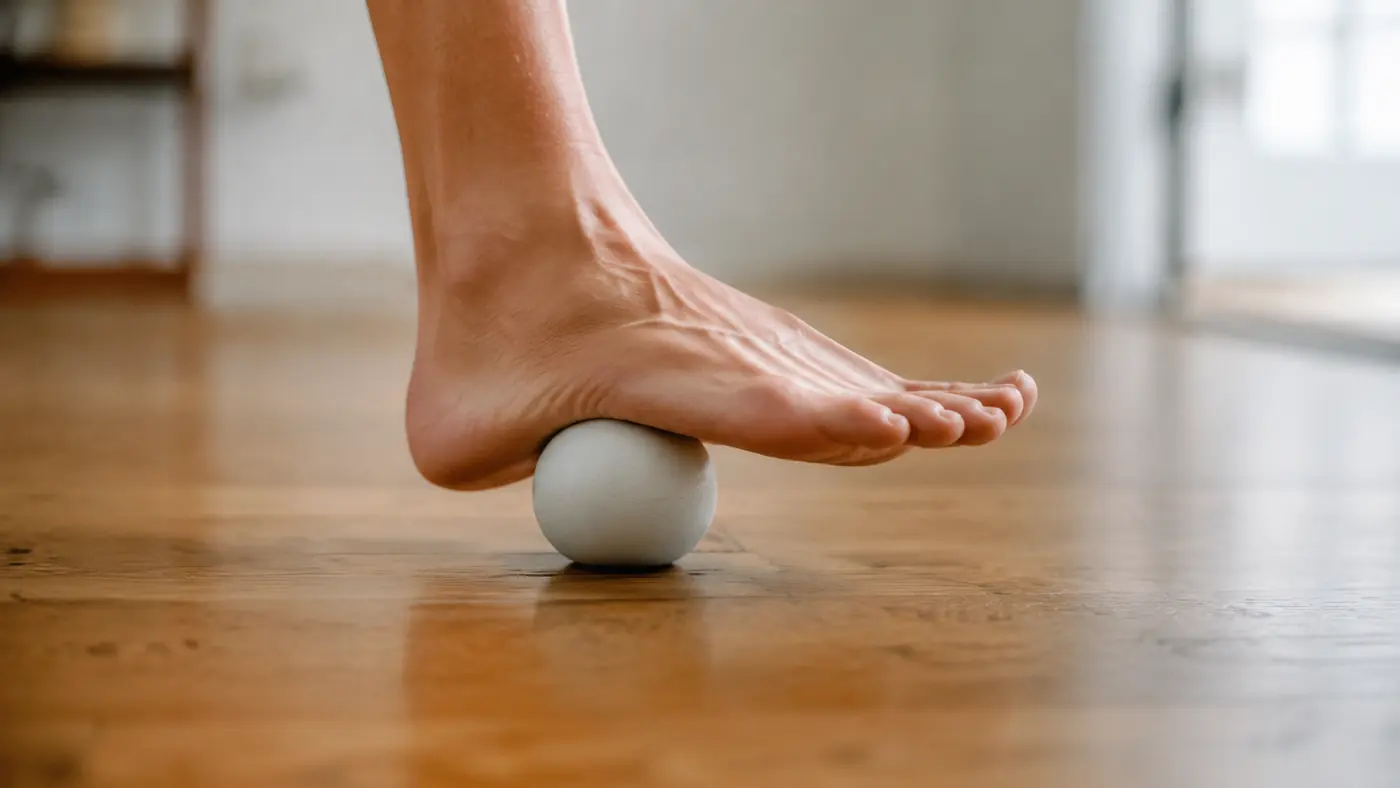
Who Should Buy Which
If your main complaint lives in bigger muscle groups, calves, glutes, quads, upper traps from leaning over a desk or a table all day, the vibrating ball is worth having. It genuinely speeds up release on tissue that tends to fight back against static pressure, and the four speeds give you a way to scale intensity as your tolerance builds instead of committing to one fixed sensation every time. I'd especially point runners toward it, since calf and glute tightness after a long run is exactly the pattern it handles best in my own experience.
If your main complaint is more localized, plantar fascia, a single tender spot in the forearm, or you just want one cheap tool that never needs charging and can live in a bag without a second thought, the plain lacrosse ball is a completely reasonable choice, and I'm not going to pretend otherwise. It isn't a worse tool everywhere, it's a simpler tool that does one job well. I keep both in rotation for exactly that reason. For a longer breakdown of everything the vibrating ball is good for beyond this specific comparison, I put together my full long-term review after months of use, which covers battery life and noise in more detail than fits here.
The honest middle ground, if you're only going to buy one, comes down to where your tightness actually lives. Bigger, stubborn muscle bellies that resist static pressure point toward the vibrating ball. Smaller, bony areas like the arch of the foot point toward the plain ball, or at minimum don't require paying for vibration to get the job done. I didn't expect to end up using both regularly when I first tried the vibrating ball, but that's genuinely where I landed after a full training block of comparing them side by side on my own body and, more informally, on client tissue between sessions.
One more practical note before you decide. If you already own a plain ball, you don't need to throw it out to justify buying the vibrating one. I still use mine for the plantar fascia work I mentioned, and it lives in a small basket by the door I use to leave the house, right next to my running shoes, so it's genuinely part of the routine rather than a backup plan. Think of the vibrating ball as an upgrade for the muscle groups that have never fully responded to static pressure, not a full replacement for a tool that already does one specific job well.
If Your Knots Are in the Calves or Glutes, Not the Foot, This Is the One That Actually Speeds Things Up
For bigger muscle groups that fight back against static pressure, the LifePro Vibrating Massage Ball earns the extra bulk in my gym bag. Check today's price and current rating on Amazon.
Amazon Check Today's Price on Amazon →